

 Contact us
 Visit CPRE.org
 Donate
FAQs – How would a National Park affect the environment and nature?
We have tried to answer your questions on what difference a National Park could make to our environment. Let us know if we missed anything…
The area already has a large National Nature Reserve – what difference would a National Park bring?
The Somerset Wetlands National Nature Reserve was created in 2022. This super nature reserve combines six pre-existing NNRs plus additional nature-rich sites like Catcott Lows, Burrow Mump, Steart Marshes, Ham Wall, and Bridgwater Bay. The land is under various ownerships and managed by Natural England, Somerset Wildlife Trust, RSPB, National Trust, Environment Agency, Wildfowl & Wetlands Trust (WWT), and the Hawk and Owl Trust. It covers 6,140 hectares of Levels, Moors and coast, making it Britain’s 3rd largest nature reserve.
Brilliant! Well, yes it is, but, even with the super NNR, only 13% of the Somerset Levels is formally protected. Even this does not guarantee “protection” as large parts of the protected areas are currently in an unfavourable condition for nature, including, shockingly, ALL of the Sites of Special Scientific Interest (SSSIs).
Importantly – this 13% is only the area with a wildlife designation. There is no special protection at all for the Somerset Levels landscape.
A National Park would bring the opportunity to look at and manage the Levels and Moors landscape as a whole – for nature and for landscape and for people.
Would National Park status provide stronger protection than alternatives eg – SSSI? National Landscape?
Yes. Multiple individual SSSI designations are in place, yet many of these sites are in poor condition. Peat is still being extracted at various places nearby. Existing peat is drying out in summer. Water quality is poor due to soil run off and pollution caused by fertilisers and slurry, even from outside the Levels area.
SSSIs are a nature conservation designation; while very important, they do not protect the landscape as a whole. The area has no ‘holistic’ landscape protection at present.
National Landscape is the new term for areas that used to be known as Areas of Outstanding Natural Beauty (AONB). There are 46 National Landscapes in the UK and we already have 4 in Somerset – the Mendip Hills, the Quantock Hills, the Blackdown Hills and a tiny part of Cranborne Chase.
They share the same highest level of scenic and landscape protection as UK National Parks. National Landscapes are governed by partnerships made up of representatives of local authorities and other conservation and heritage organisations. However, unlike National Parks, they do not have their own dedicated Authority with responsibility for all matters within the designated area, including planning. So, the level of protection is the same, but, we feel, they provide less opportunities for a holistic approach to managing the whole landscape.
Would National Park status protect against sewage discharges?
The optics of allowing sewage discharges into a wetland area that is protected as a National Park are not good! However, the much-publicised campaign against pollution of Lake Windermere shows that even our most pristine landscapes are vulnerable to creaking infrastructure and inadequate regulation. The fact that solutions are now being delivered in Windermere to reverse and mitigate against pollution should give us hope. National Parks deserve the highest protection. Especially a National Park like the Somerset Levels and Moors where water is everything!
Most importantly, recent legislation (Under Section 245 of the Levelling-up and Regeneration Act 2023), now means that certain organisations – called relevant authorities – have a legal duty to ‘seek to further’ the statutory purposes of National Parks in England. These bodies include local authorities, public bodies, and statutory undertakers (such as utility companies).
This means that, in a National Park these relevant bodies have to proactively protect against sewage discharge and other polluting/damaging activity, as well as remedy existing problems and shortfalls.
How would it address phosphate pollution, water quality, peat loss and degradation, landscape protection and development pressures?
This is a massive question! 6 questions in fact! These individual topics are all looked at separately within these FAQs, but the simple answer is that a National Park would allow for the management of the area as a whole. Through the National Park Management Plan the National Park Authority would draw up plans to tackle all of these issues across the whole area.
And as above with the recent legislation all relevant authorities must seek to further the National park purposes.
What would happen to the Levels if we don’t change anything?
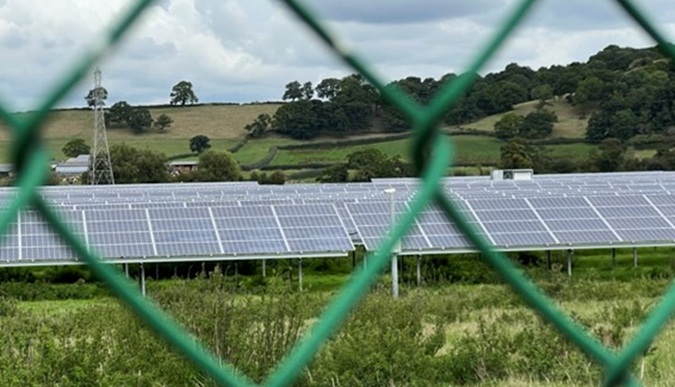
Farmers will continue doing their best to make a living while facing climate extremes and having to scrabble for government funding lottery. Maize will still dominate the areas feeding into the levels and our waterways will continue to silt up. High phosphate levels will choke our wetland habitats and choke the ability to build much needed homes across other parts of Somerset. Our peat will continue to be dug. Our remaining peat will continue drying out, damaging habitats and releasing tonnes of carbon. Our young people will continue to move away in search of better paid jobs. We might well have a huge data centre to the west, and a mega solar park surrounding Mark, to the east.
It doesn’t sound great does it?
We think it’s time to be ambitious and demand better protection and better management of this amazing place, this unique, special Landscape.