

 Contact us
 Visit CPRE.org
 Donate
FAQs – what about planning and development?
How would a National Park affect what gets built and where? We try to answer your questions
Would National Park status restrict development?
A National Park does not stop all development – but it would protect us from the large scale, damaging developments we are facing now.
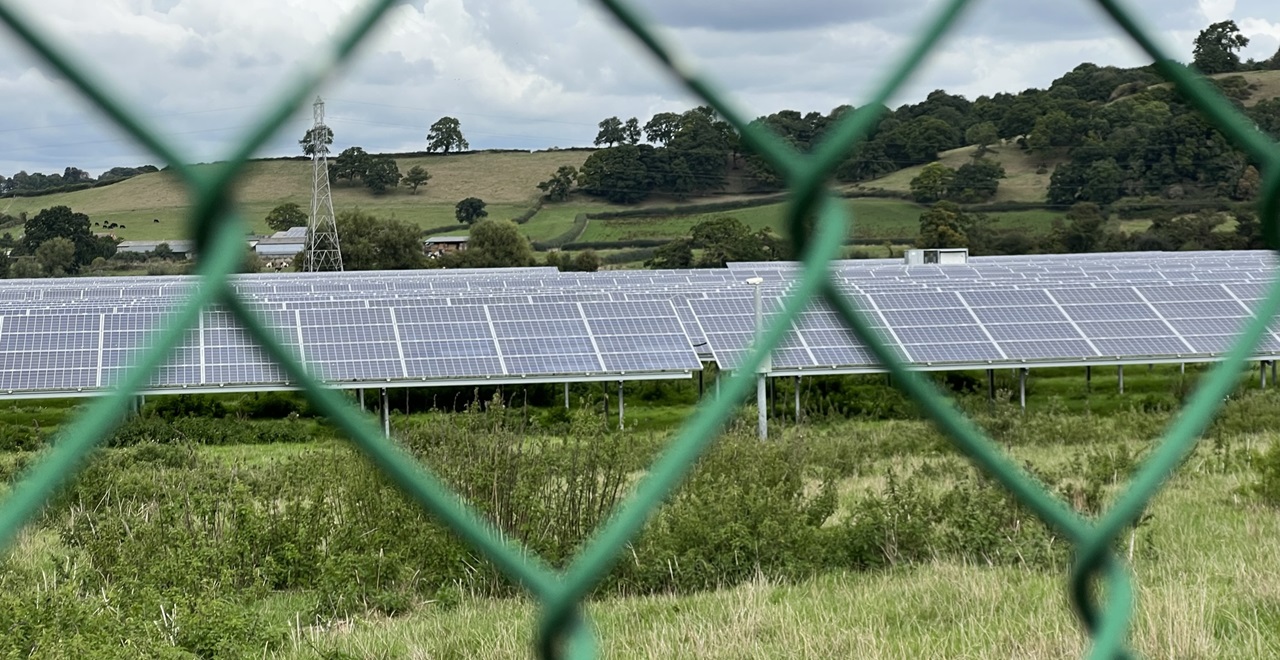
We are already facing the challenges of large solar farms, data centres and inappropriate housing developments on parts of the Levels & Moors. CPRE Somerset has helped local groups to campaign against these, and sometimes we win, but more often we don’t. The truth is, the planning system is stacked in favour of development – and developers have deep pockets, enabling them to keep fighting until they win on appeal. New applications keep coming in and the cumulative pressure on our landscape is relentless.
National Park status would protect the Levels from this type of ad-hoc development because public bodies have a duty to seek to further the purposes of National Parks and National Landscapes (known collectively as Protected Landscapes) whenever they make decisions which affect land in these areas.
At the same time, a National Park, as its own planning authority would be able to focus on delivering new opportunities for proactive, community-led development like much-needed rural affordable homes for local people or land-based employment opportunities.
Are solar farms allowed in National Parks?
UK planning law states that substantial weight must be placed on the importance of conserving and enhancing the natural beauty, wildlife, and cultural heritage of National Parks. Proposals for major development within Protected Landscapes (National Parks & National Landscapes) —which can include large-scale ground-mounted solar farms depending on scale and local context—should be refused other than in exceptional circumstances
These days, solar farms are being given permission to stay in place for 40 years or more. This can industrialise our views for more than a generation. A Somerset Levels & Moors National Park would provide the strongest protection against this threat to our beautiful landscape.
In Autumn 2026, a proposal was submitted for a Somerset Energy Park – a huge solar farm that would surround the village of Mark, on the eastern edge of the Somerset Levels. Seven local Parish Councils are affected and are gearing up to fight this proposal and CPRE Somerset has pledged to do all we can to help them. If it goes ahead, this would be one of the largest solar farms in the country. We believe it will have a significant impact on the landscape of not just the Somerset Levels but also the Mendip Hills National Landscape. The decision will be made centrally, by the Energy Secretary, as this is considered a National Significant Infrastructure Project.
our reasons for objecting to the mega solar farm proposal on the Somerset Levels
CPRE is calling for a moratorium on mega solar. We want to see a rooftop revolution, with solar panels on homes, warehouses and car park canopies. The upcoming Strategic Spatial Energy Plan must unlock renewable energy in the right places. Until then, we need a moratorium: no further solar farms over 30 megawatts should be given the go-ahead.
Climate action shouldn’t cost us our countryside.
Are data centres allowed in National Parks?
Across the UK, more and more data centres are appearing in open countryside. They risk permanently changing the nature of our landscapes before we’ve properly considered why this infrastructure is needed and whether there are better places for it to go. The “wild west” of unchecked data centre development risks a land crisis and serious energy and water challenges. CPRE is demanding that the Government should plan strategically where data centres are built and how community voices can be better heard. We will continue to campaign on this across England. There is no doubt that if an area is designated as a National Park, it is very unlikely to be the site of any new data centres.
There is currently a proposal for a huge data centre at Horsey, near Bridgwater, on the Somerset Levels. We believe this would put the habitats and landscape of the Somerset Levels at risk. Our case would be much stronger to fight this application if the area had National Park status.
A National Park Planning Authority – how does that work?
At present, Somerset Council determines planning applications but, under a National Park, the National Park is the independent planning authority for the area. The National Park would produce its own Local Plan. This is a statutory document that contains policies for the development and use of land and indicates the kind of development which will be permitted in the National Park during the plan period. The National Park would have its own Planning Policy Officers to write the plan and also its own Planning Officers and a Planning Committee to determine planning applications.
Could a National Park Authority influence water quality coming in to the park from farms, business and housing?
To some extent, yes. National Park legislation protects the National Park area itself but is also able to minimise impact caused by factors outside the area. This might be visual impact caused by developments near the Park boundary but it could also be physical impacts caused by land management outside the area.
Most importantly though, recent legislation Under Section 245 of the Levelling-up and Regeneration Act 2023, now means that certain organisations – called relevant authorities – have a legal duty to ‘seek to further’ the statutory purposes of National Parks in England. These bodies include local authorities, public bodies, and statutory undertakers (like utility companies). In a National Park, these relevant authorities have to proactively protect against sewage discharge and other polluting/damaging activity.
What about rising tidal levels?
This is a very real prospect which makes it all the more important that our landscape is able to absorb water. A National Park management plan would address this by looking at the issue across the whole area.