

 Contact us
 Visit CPRE.org
 Donate
FAQs – What is a National Park and why are we campaigning for one now ?
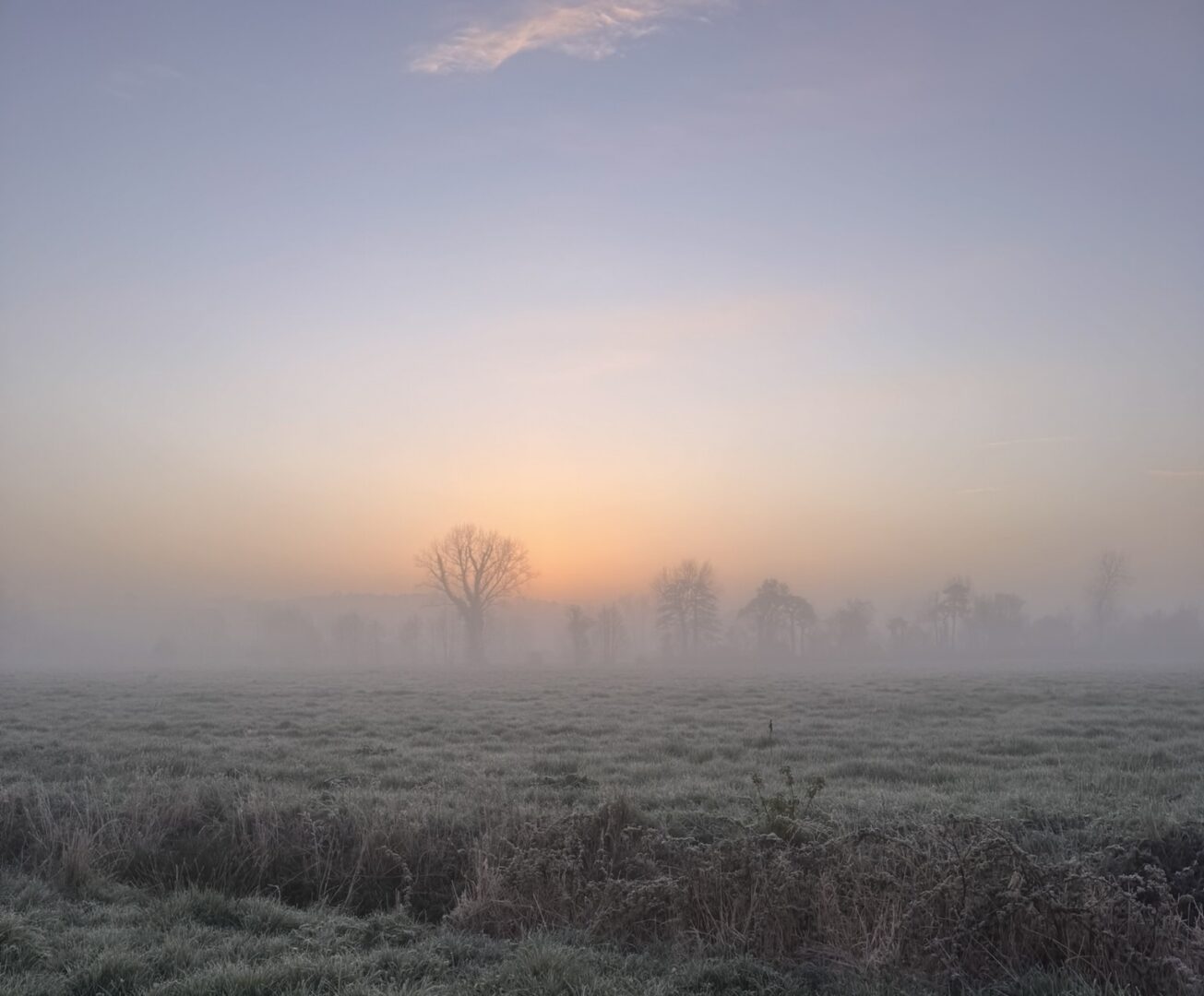
Here we explore the background to what National Parks are and why we think the Somerset Levels & Moors deserves National Park status.
What is a National Park?
National Parks were first created after World War II, after a long campaign for fairer access for all to the countryside, with a recognition that our special landscapes need protecting. They are defined as substantial tracts of land, sometimes remote, with wide open spaces large enough to provide the public with opportunities for outdoor recreation. National Parks are designated because of their landscape quality, wildlife and their values as a recreational resource.
The purposes of a National Park (as set out in the National Parks & Access to the Countryside Act, 1949) are
- To conserve and enhance its natural beauty, wildlife and cultural heritage, and
- To promote understanding and enjoyment of its special qualities by the public.
Where are the other National Parks?
There are 15 National Parks in the UK. 10 in England, 3 in Wales and 2 in Scotland. The first were created in 1951 and the most recent addition to the National Park family was the South Downs in 2010. This is when they were designated:
1951: Lake District, Dartmoor, Peak District, Eryri (Snowdonia)
1952: North York Moors, Pembrokeshire Coast
1954: Exmoor, Yorkshire Dales
1955: Northumberland
1957: Bannau Brycheiniog (Brecon Beacons)
1989: The Broads (designated under its Act of Parliament)
2002: Loch Lomond & the Trossachs
2003: Cairngorms
2005: New Forest
2010: South Downs
What does CPRE Somerset want to see?
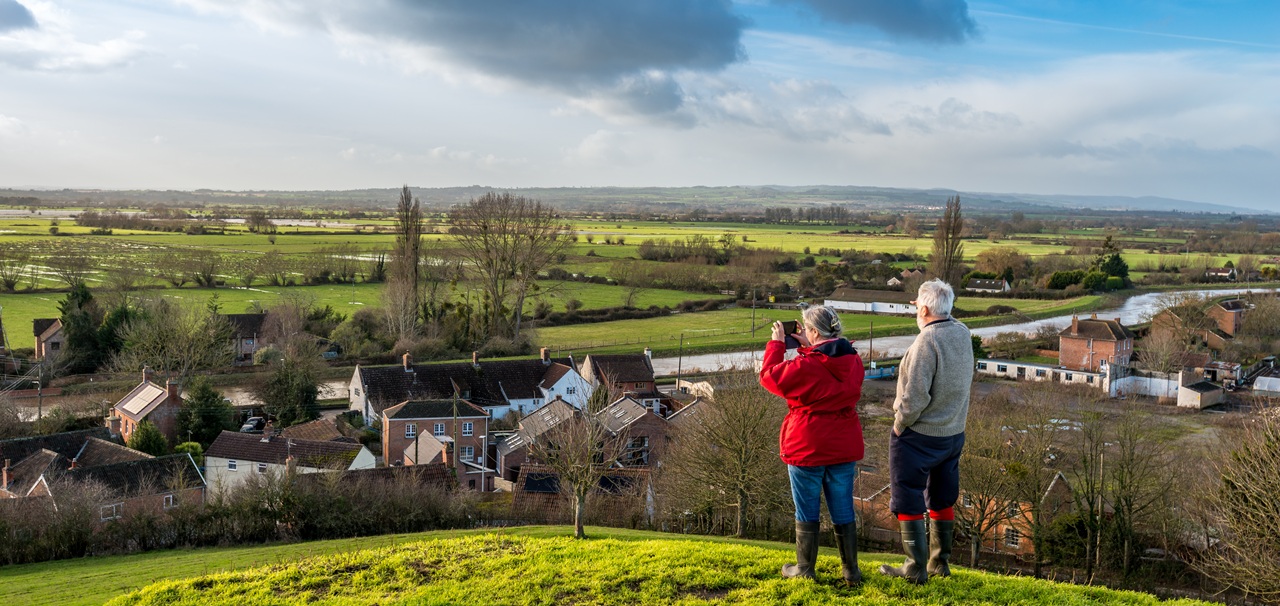
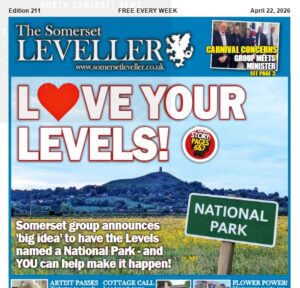
We believe that the Somerset Levels & Moors has what it takes to become England’s next National Park.
It’s a brave idea but sometimes big dreams can become reality if we work together.
Natural England’s “Guidance for assessing landscapes for designation as National Parks orAreas of Outstanding Beauty in England” notes that both National Parks and National Landscapes must meet the test of natural beauty. This embraces such factors as landscape quality, scenic beauty, relative wildness and tranquillity, natural heritage and cultural heritage.
We believe the Somerset Levels will meet this test at all levels.
Why is this being proposed now?
Why not?! The area is facing unprecedented challenges thanks to climate change, poor water quality and development pressures. A National Park will bring better protection and open the door to better, more sustainable ways of managing the landscape.
What is the point of the Somerset Levels becoming a National Park?
Achieving National Park status for the Somerset Levels landscape would be amazing. It would generate positive spin-offs for nature, climate, heritage and livelihoods. It would bring joy, new opportunities and support to our communities and for our visitors.
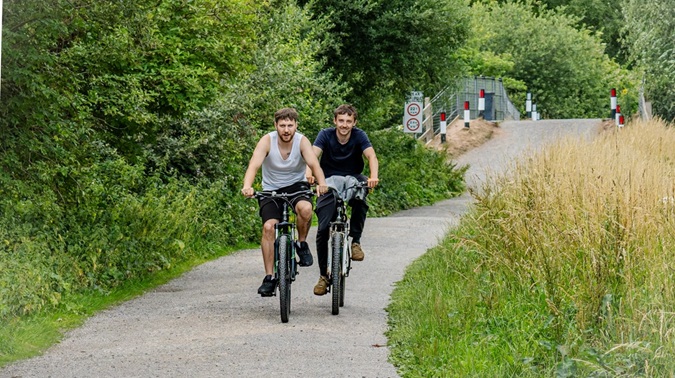
National Parks provide a focus for recreation and tourism. 90 million visitors go to the existing National Parks and surrounding areas each year, spending more than £4bn. 90% of people say that National Parks are important to them. The Somerset Levels and Moors are surrounded by Bristol, Weston-Super-Mare, Bridgwater, Taunton, Yeovil and other smaller towns. National Park status would enhance opportunities for people’s recreation and enjoyment of the natural world.
Wouldn’t it be great to have a new National Park, here on the Somerset Levels?
Why do we need to change anything?
A special landscape like the Somerset Levels & Moors needs to function as a whole, underpinned by strategic land use and development planning and delivery. At present, there are lots of initiatives looking at, for example, biodiversity, water quality or flood prevention but there is no overarching plan which considers the landscape as a whole. A National Park would do that.
What has changed since previous proposals?
To our knowledge, there has not been a proposal for a National Park here previously. Around 30 years ago, a consultation exercise took place and a report was produced which recommended that the Somerset Levels & Moors should be recognised as a “cultural landscape”, similar to the French Parcs Naturels Regionaux (PNRs): Natural Regional Parks. This did not materialise. 30 years on, this special area remains largely unprotected yet the threat from climate change has accelerated and biodiversity is in critical decline nationally. The Somerset Levels & Moors area has massive potential to mitigate this – acting as a carbon sink and a haven for wildlife. A National Park, with its landscape scale approach, could do this.
What are the negative impacts of becoming a National Park and how do you mitigate against those?
People instinctively fear change – especially when it involves words like authority and planning – and when they feel outsiders are suggesting imposing something new on what is their home, and often their source of income. We know that farmers are concerned about “red tape” and extra restrictions. Communities worry about increased house prices in a National Park and how the current lack of regulation could mean that housing is lost to holiday lets and not available for local people. People who have got used to the quiet and stillness of our open landscape worry that it will become busier and a victim of “over tourism”.
We recognise these fears. They are genuine and understandable. That is why it is important to learn from other National Parks and to find out how they deal with these issues. It’s also important to consider the opportunities which National Parks can bring. One thing is for sure, a National Park would give the opportunity to plan and manage the area as a whole so that sustainable, long-term benefits can be realised for local communities and the environment.